


Garden Birdsong: Why It Lifts the Mood, and Who You Are Hearing
Step outside on a spring morning and the garden is full of song. Even in winter, a robin will be singing from a fence post, and by February the great tits and blackbirds are warming up. Birdsong is so much a part of the background of life that it is easy not to notice it. But it may be doing us more good than we realise.
Why Birdsong Feels Good
Several studies in recent years have looked at the link between birds and wellbeing. Research has found that people living in areas with more birds, shrubs and trees tend to report better mental health, and that seeing or hearing birds is associated with improvements in mood that can last for hours.
Part of the reason may be that birdsong signals safety. For most of human history, when birds were singing, it generally meant there were no predators nearby. When they fell silent, something was wrong. Some researchers think we may still respond to birdsong as a sign that all is well.
Birdsong also fits the idea of soft fascination: it holds our attention gently, without demanding it, giving the mind a chance to rest. It is varied, natural and never quite repetitive.
Who You Are Hearing
Learning to recognise a few common songs makes listening far more rewarding. Here are some you are likely to hear in a garden.
Robin. Sings almost all year round, including in winter and even at night under street lights. A sweet, wistful, warbling song.
Blackbird. A rich, mellow, fluting song, often from a rooftop or treetop at dawn and dusk in spring and summer. One of the loveliest sounds of an evening.
Song thrush. Repeats each phrase two or three times, loudly and clearly, as if practising.
Great tit. A loud, two-note "teacher, teacher", often heard from late winter onwards.
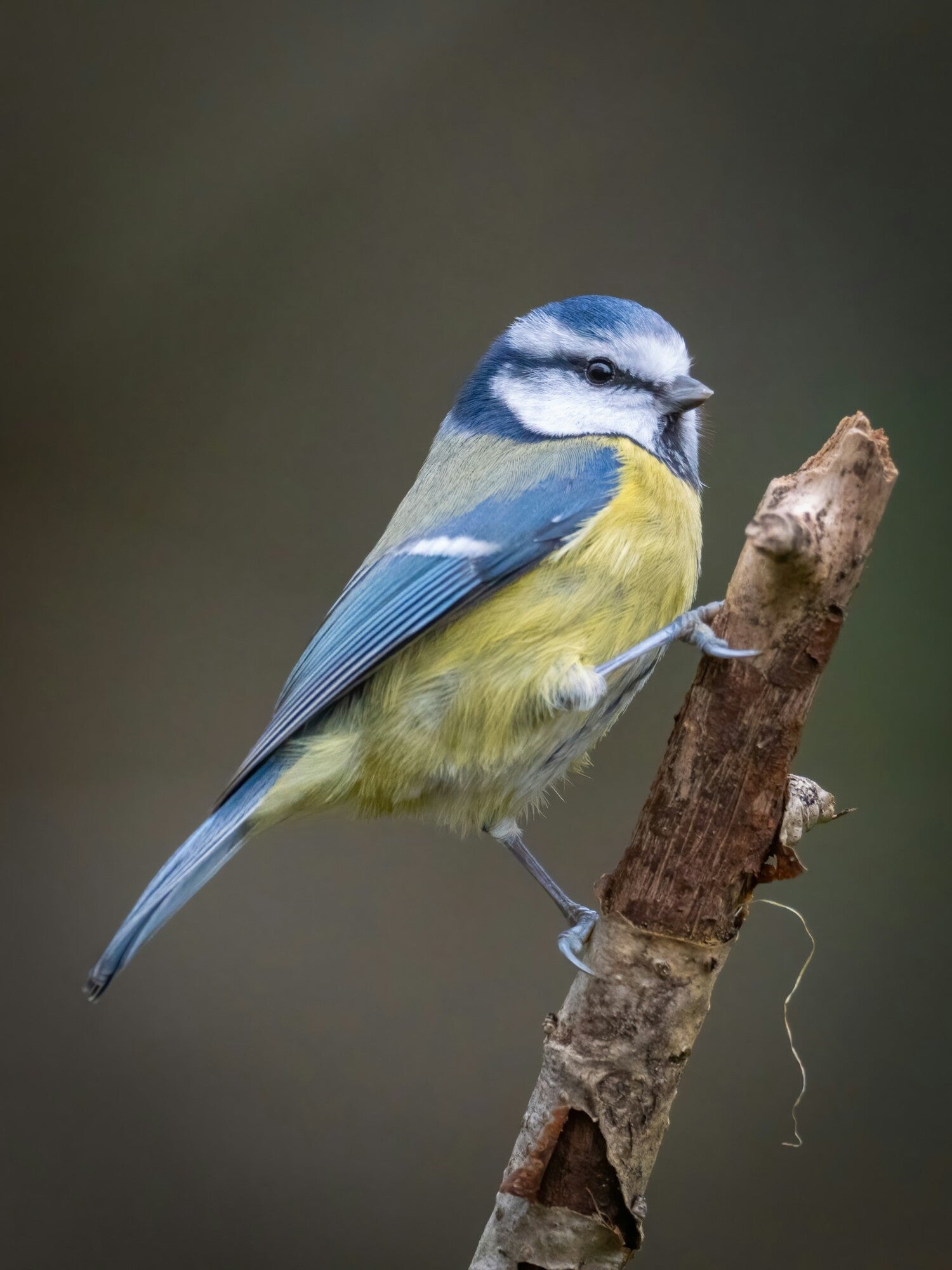
Blue tit. A high, tinkling trill, and lots of scolding chatter.
Wren. Tiny but astonishingly loud, with a fast, explosive song ending in a trill.
Chaffinch. A cheerful descending rattle that finishes with a flourish.
Free apps can identify songs from a recording on your phone, which is a great way to learn.
The Dawn Chorus
From late March to June, birds sing most intensely just before and after sunrise, in what is known as the dawn chorus. It is one of the great natural spectacles, and it happens in almost every garden. International Dawn Chorus Day is held on the first Sunday in May, but any spring morning will do. Get up early, take a coffee outside and just listen.
Starling Murmurations
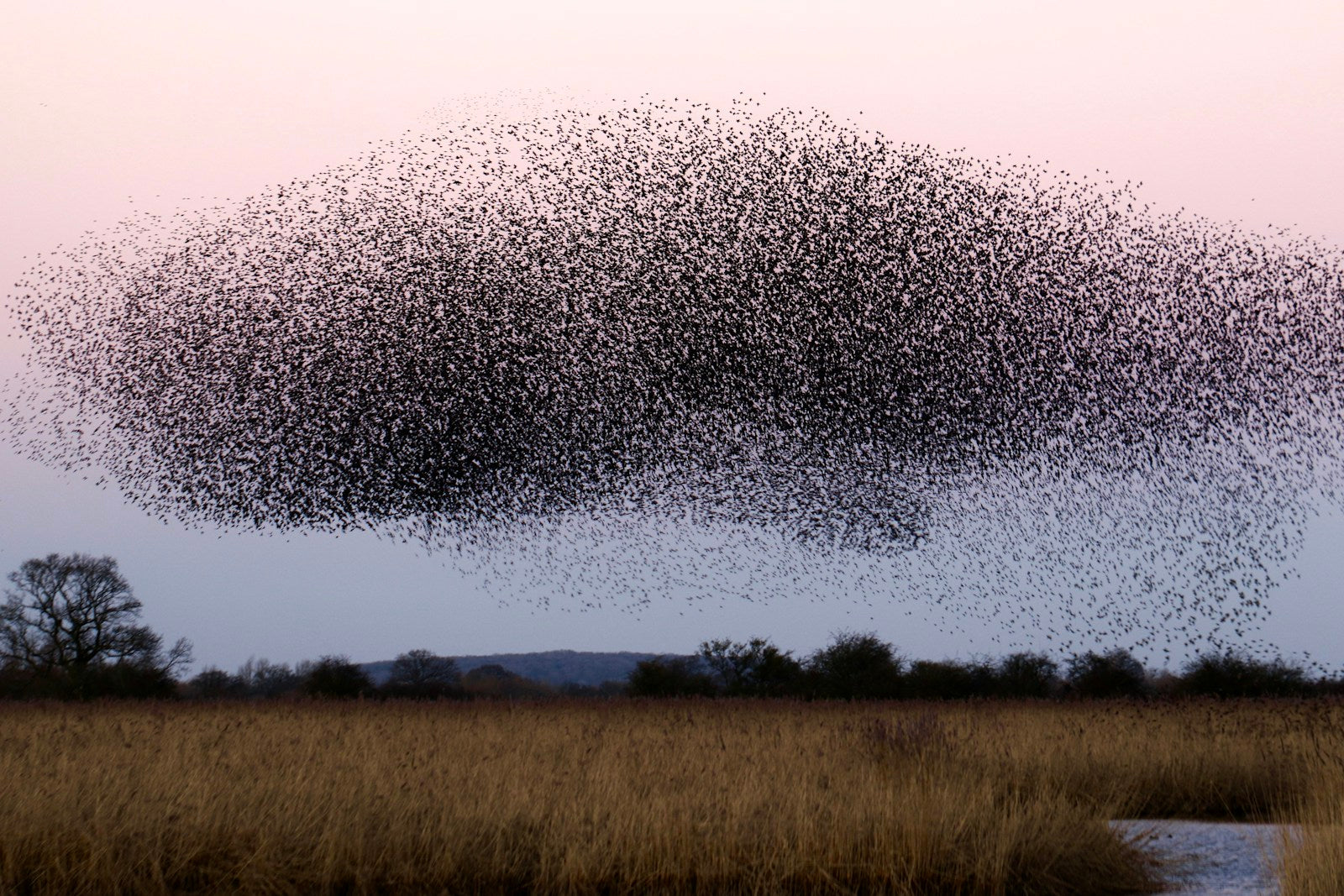
In winter, starlings put on one of the most extraordinary shows in nature. At dusk, thousands, sometimes hundreds of thousands, gather before roosting and swirl through the sky in vast, shifting clouds called murmurations, twisting and turning as one.
Nobody fully understands how they coordinate so perfectly, though it seems each bird responds to the movements of its nearest neighbours. Murmurations are thought to help protect the birds from predators like peregrines.
They can be seen at many places in the UK from around November to February, often over reedbeds, piers and wetlands. They are best on calm, clear evenings, about half an hour before sunset.
Bringing Birds Closer
A feeder, a shallow dish of fresh water, some shrubs for cover and a few berry-bearing plants will bring more birds into almost any garden. Leave a corner a little wild, and avoid tidying away every seed head in autumn.
Then make somewhere to sit and listen. A sheltered seat near the back door, under a roof, lets you enjoy the morning chorus even when it is raining, and the evening song of a blackbird from a warm spot as the light fades.
Feeding Through the Year
Birds need different things at different times of year. In winter, high-energy foods like sunflower hearts, suet and peanuts in a mesh feeder help them through cold nights. In spring, when they are raising young, avoid whole peanuts and large pieces of food that could choke chicks. In summer, natural food is plentiful, but fresh water is always welcome.
Keep feeders and bird baths clean to help prevent disease, and place them near cover such as a shrub or hedge so birds can escape from predators.

Joining In
The RSPB's Big Garden Birdwatch, held each year in late January, asks people to count the birds in their garden for an hour. It is a simple way to get involved in citizen science, and a lovely excuse to sit quietly and watch the garden for a while. The results help track how bird populations are changing across the country.
Quick Answers
Which birds sing in winter? Robins sing through the winter, and wrens, song thrushes, great tits and dunnocks often start before spring arrives.
Why do birds sing at dawn? Partly to defend territory and attract mates, and partly because still dawn air carries sound well.
Where can I see a murmuration? Well-known sites include Brighton Palace Pier, Gretna Green, the Somerset Levels and RSPB reserves such as Minsmere and Leighton Moss.
Want somewhere sheltered to watch the seasons change?
Book a free virtual appointment and we'll talk through a covered space that lets you enjoy the garden in every weather — no pressure, just straight advice.


