


Ocean Connections: Sea Beans, Atlantic Rain and Islands Linked to Cornwall
We are an island nation, and the Atlantic Ocean shapes our lives in ways we rarely stop to think about. It brings our weather, warms our winters, carries seeds and creatures from the other side of the world and links us to some of the most remote places on Earth. Here are a few of the stories it tells.
Sea Beans: Seeds That Cross the Ocean
Walk along a beach in western Ireland, Cornwall or the Hebrides, and you might find a large, hard, shiny brown seed that looks nothing like anything that grows nearby. These are sea beans, also called drift seeds, and many of them have crossed the Atlantic from the Caribbean and Central America.
The most famous is the sea heart, the seed of a tropical vine called Entada gigas. These seeds fall into rivers, wash out to sea and are carried by currents including the Gulf Stream and the North Atlantic Drift across thousands of kilometres of ocean, a journey that can take a year or more. Some are still able to germinate when they arrive.
In the Hebrides, sea beans were traditionally treasured as lucky charms and given to women in childbirth. Today, beachcombers still hunt for them after winter storms.
Atlantic Rain
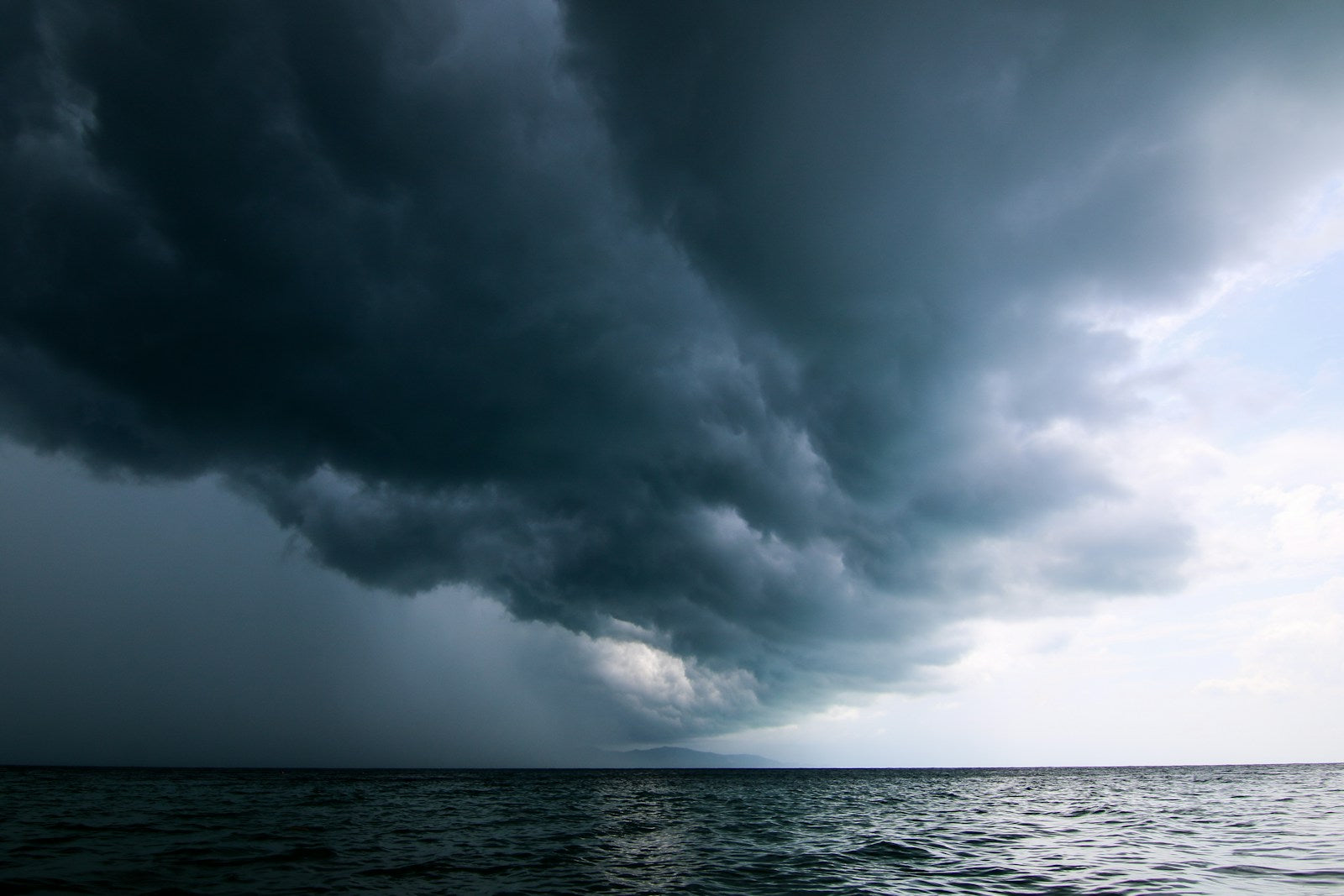
Most rain begins life over the Atlantic. Westerly winds pick up moisture from the warm ocean surface, and as weather systems sweep in from the west and rise over our hills and mountains, that moisture falls as rain. It is why the west of the country is generally so much wetter than the east, and why a large share of our rain falls on the western uplands.
It is also why winters are relatively mild for our latitude. The North Atlantic Drift brings warmer water to our shores, which is part of the reason palm trees can grow in parts of Cornwall and western Scotland while places at the same latitude in Canada are frozen.
There is a calm pleasure in watching Atlantic rain arrive from a sheltered spot, listening to it on the roof and knowing it has come from far out over the ocean.
Tresco: A Subtropical Garden in the Atlantic
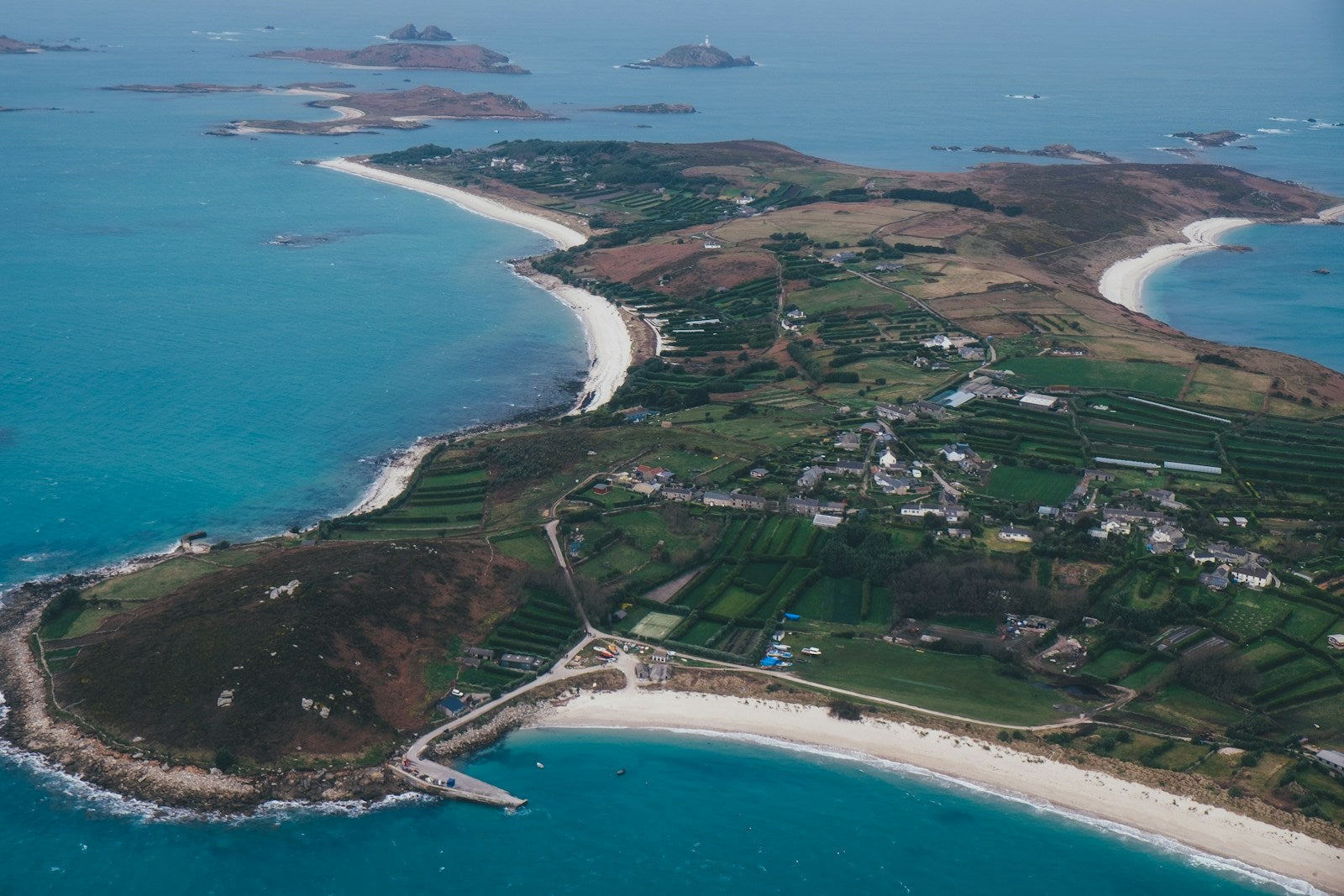
The Isles of Scilly, off the tip of Cornwall, sit right in the path of that mild Atlantic water. On Tresco, the Abbey Garden takes full advantage, growing plants from South Africa, Australia, New Zealand, South America and the Mediterranean that could not survive outdoors on the mainland.
Agaves, proteas, palms and succulents thrive in its shelter, protected from salt winds by belts of tall trees. Walking through it in winter feels like stepping into another climate entirely, a reminder of how much the ocean shapes what is possible here.
Tristan da Cunha: Cornwall's Remote Neighbour
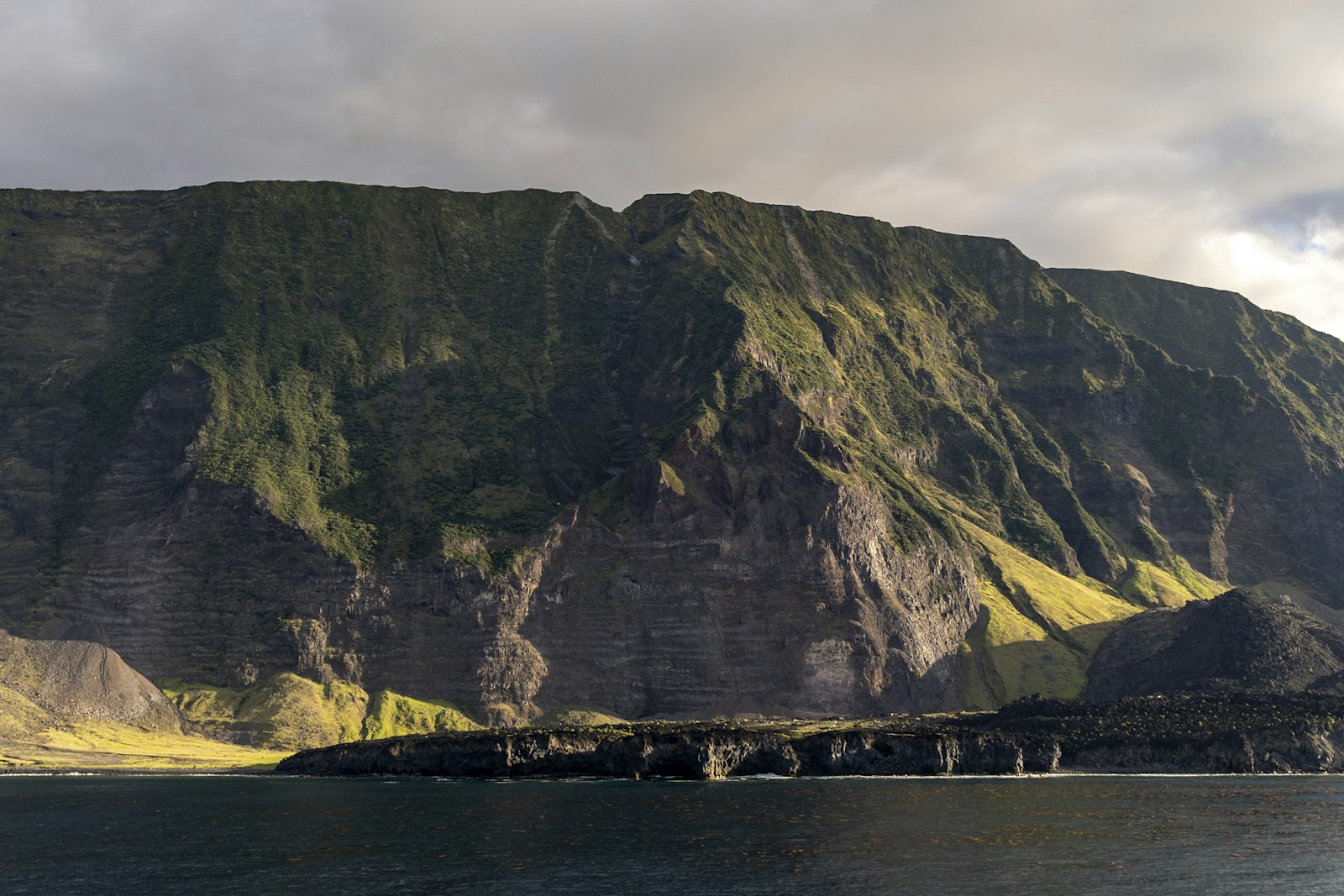
In the middle of the South Atlantic, more than 2,000 kilometres from the nearest inhabited land, is Tristan da Cunha, often described as the most remote inhabited island in the world. Around 250 people live there, a British Overseas Territory reachable only by ship.
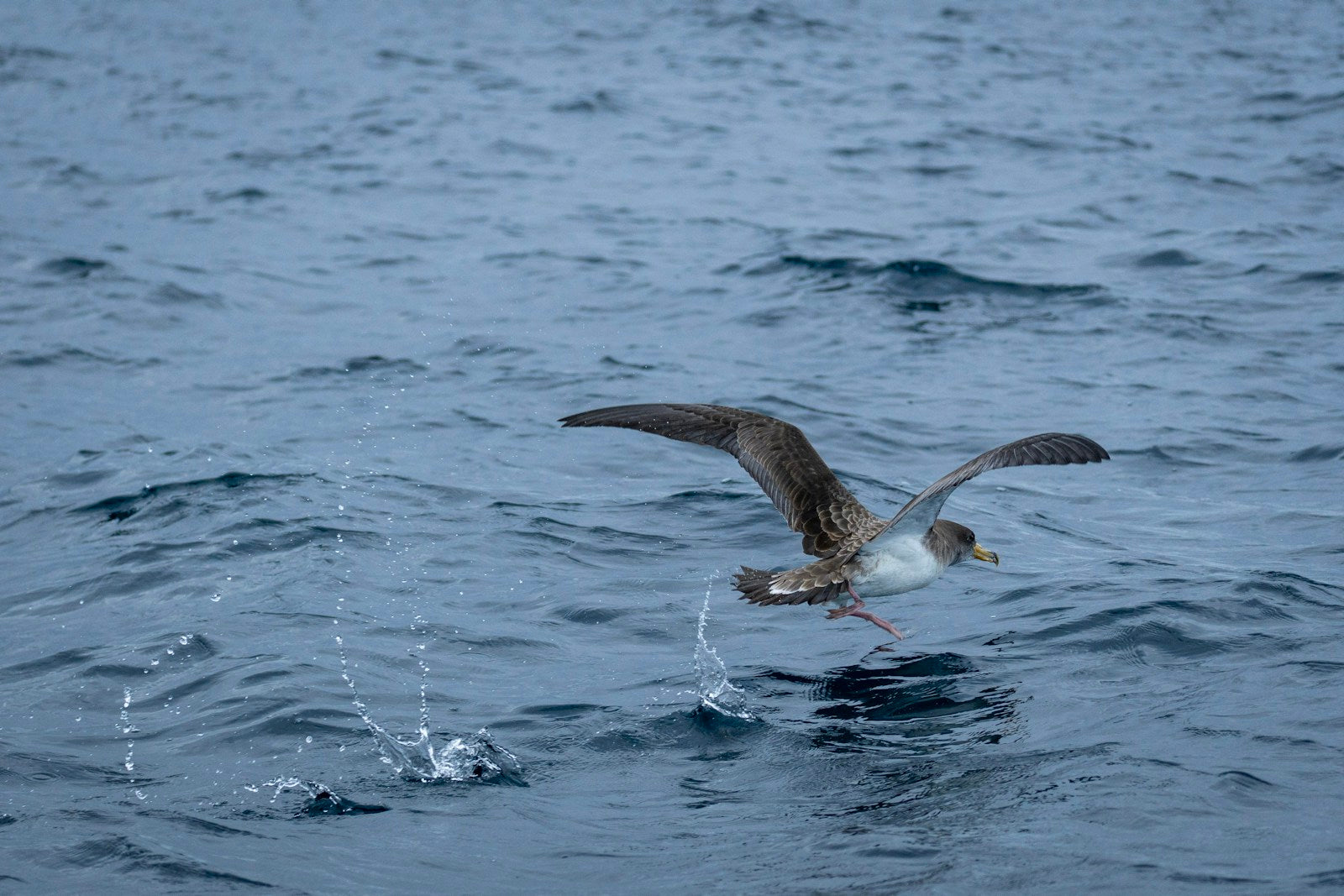
It has a surprising connection to the waters off Cornwall. Almost all of the world's great shearwaters breed on Tristan and nearby Gough Island. After nesting, they make an enormous loop around the Atlantic, and in late summer they can be seen off the coasts of Cornwall and western Ireland, sometimes in large numbers.
The same birds that nest on a tiny island in the South Atlantic can be watched from a Cornish headland.
The Ocean on Your Doorstep
None of us lives more than about 113 kilometres from the sea in the UK, and the ocean's influence reaches every garden: in the rain that waters it, the mild winters that let plants grow and the birds that pass overhead. Next time a band of Atlantic rain rolls in, it is worth stepping outside, under cover, and remembering where it has come from.
Beachcombing for Sea Beans
If you would like to find a sea bean, the best time is after winter storms with strong westerly winds, which push floating debris onto western-facing beaches. Look along the strandline, the line of seaweed and debris left by the high tide, particularly on beaches in Cornwall, Devon, Wales, western Scotland and the west of Ireland.
Sea beans are usually hard, smooth and woody, and often heart-shaped or round. They are not edible, and some are toxic, so treat them as curiosities rather than food.
The Ocean and Our Wellbeing
There is a growing body of research on what has been called blue space: coasts, rivers, lakes and other watery environments. Spending time near water seems to be associated with lower stress and better mood, in a similar way to green space. Many people describe a sense of calm and perspective from watching the sea, listening to waves or simply looking at a wide horizon.
You do not need to live by the coast to feel some of this. Listening to rain on a roof, watching a stream, or sitting by a pond in the garden can bring a little of the same calm.
Quick Answers
Can you visit Tresco Abbey Garden? Yes. It is open to visitors, reached by boat or helicopter to the Isles of Scilly and then a short boat ride to Tresco.
Can you visit Tristan da Cunha? It is possible but difficult, usually by a long sea voyage from South Africa, and visits need permission from the island's administration.
When can I see great shearwaters off Cornwall? Usually in late summer and early autumn, from headlands or on seabird boat trips.
Want somewhere sheltered to watch the seasons change?
Book a free virtual appointment and we'll talk through a covered space that lets you enjoy the garden in every weather — no pressure, just straight advice.


