


Clear, Opal or Tinted: How Your Roof Changes the Light Underneath
When people choose a veranda roof, they often think about it in terms of practicality: glass or polycarbonate, cost, weight, noise in the rain. All of those matter. But the roof also decides something less tangible and just as important, which is what it feels like to sit underneath it. The light under a clear glass roof is completely different from the light under opal polycarbonate, and that difference shapes how you use the space.
Clear: The Closest Thing to Open Sky
A clear roof, glass or clear polycarbonate, lets through the most light. On a grey day, the space underneath is almost as bright as the open garden. You can see the clouds, the rain running down and the birds going over. The room behind stays light.
Clear roofs are the best choice for north and east-facing spaces, where light is precious and the sun is rarely strong enough to be a problem. They are also the best choice if you want the feeling of being outdoors as much as possible.
Their downside is the summer sun. Over a south or west-facing space, a clear roof lets in a lot of heat and glare in the middle of the day, so most people pair it with some form of shading.
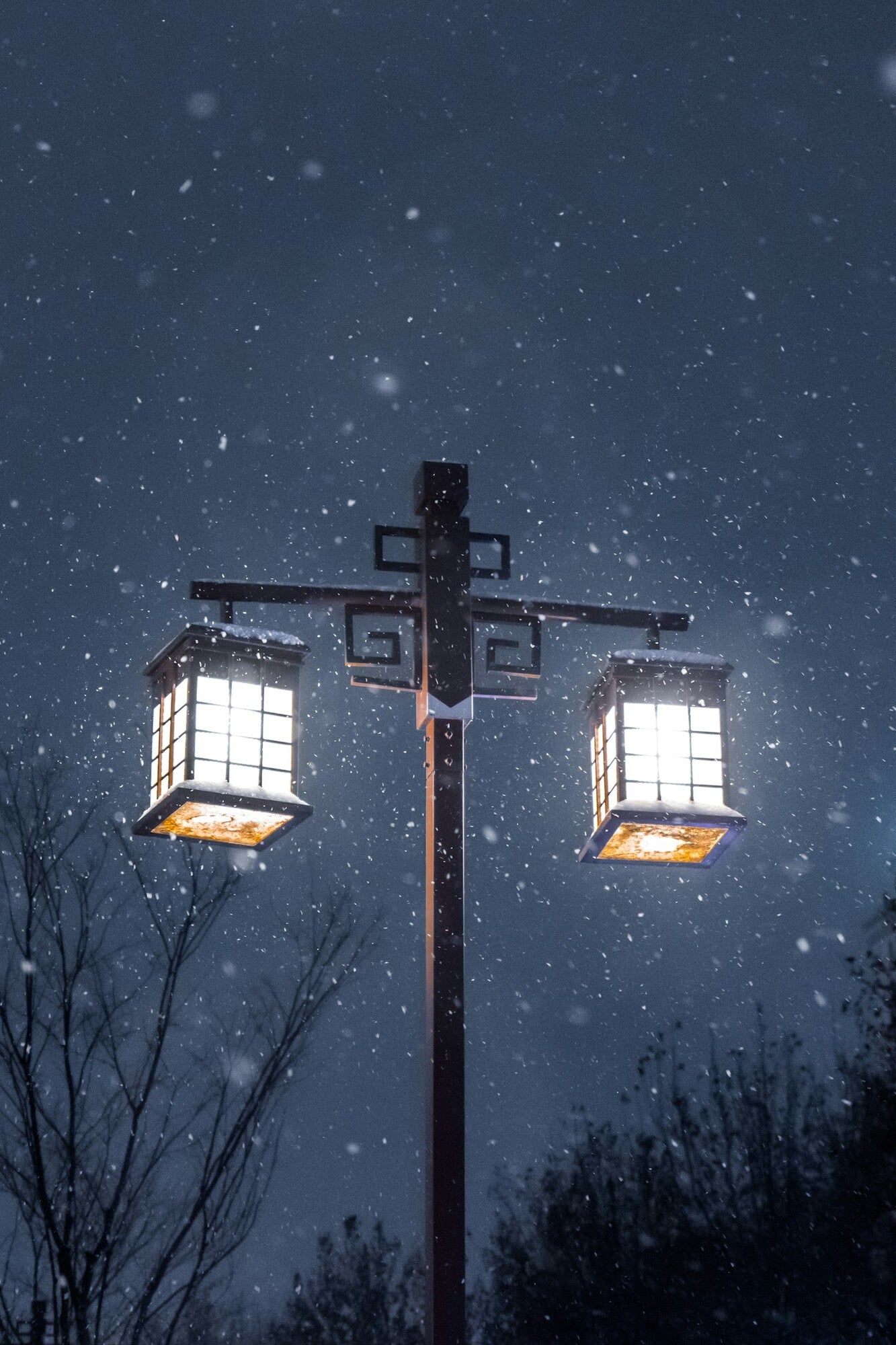
Opal: Soft, Even and Private
Opal roofing is milky white and translucent. It lets plenty of light through, but scatters it, so the light underneath is soft and even, without sharp shadows or hot spots. It is a little like sitting under a cloud.
Opal is excellent at reducing glare and heat while keeping the space bright, which makes it popular over south-facing patios. It also blocks the view from above, so it is useful where upstairs windows next door look down on the space. The trade-off is that you lose the view of the sky.
Tinted and Solar Control: Cooler and Calmer
Tinted glass, usually grey or bronze, and solar control finishes reduce both the brightness and the heat coming through. The light underneath is cooler and calmer, a bit like wearing sunglasses. Bronze gives a warmer tone, grey a more neutral one.
These finishes are useful where the roof is in strong sun for much of the day and a blind is not wanted. The thing to remember is that the tint works all year round, including on dull winter days when you would welcome every bit of light. Ask for samples and look at them in your own garden before deciding.
Glass or Polycarbonate
Both come in clear and opal versions. Glass is clearer, more scratch-resistant, quieter in the rain and has a more premium feel. Polycarbonate is lighter, less expensive and a better insulator, and multiwall polycarbonate slightly diffuses the light even in its clear form. Our existing guide to polycarbonate and glass roofs goes into the practical differences in detail.

Light and How You Feel
The reason this matters goes beyond looks. The amount of light you get through the day affects your mood, your energy and how well you sleep. A covered space that stays bright on a grey day is one where you get a decent dose of daylight even in winter. A dim one is a space that feels more like indoors.
That is not an argument for always choosing clear. Over a south-facing dining space in July, opal may make the difference between using it and abandoning it. But it is worth thinking about the darker months as well as the brightest ones when you choose.
How to Decide
Start with which way the space faces and when you will use it most. Then think about privacy from above, and whether you are happy to add shading or would rather the roof did the job on its own.
As a rough guide: clear for north and east, and for anyone who loves the sky; opal or tinted for hot, south-facing spaces and overlooked gardens; clear with blinds for those who want both. And if you can, stand under each type on a sunny day before you choose. The difference is obvious the moment you do.
Roof Choice and Heat in Winter
In winter, a roof does more than keep the rain off. Clear glass lets the low winter sun through, and on a still, sunny day the space beneath can be noticeably warmer than the open garden. Opal and tinted roofs let less of that warmth through. If you plan to use the space a lot in the colder months, that is worth weighing against the benefit of shade in summer.

Combining Options
You do not have to choose one finish for the whole roof. Some people use clear glass over the main seating area and opal over a section that is overlooked. Others choose clear glass with a retractable blind above it, so they get full light in winter and shade in summer.
Quick Answers
Which roof is the quietest in the rain? Glass is quieter than polycarbonate.
Which is best for privacy from above? Opal.
Which keeps the space coolest? Opal or solar control finishes, or clear glass with an above-roof blind.
Can I change the roof later? It is possible to replace roof panels on many systems, but it is much better to choose carefully at the start.
Ready to talk about your project?
Book a free virtual appointment with our team and we'll talk through your project in detail — no pressure, just straight advice.


