


Putting a Hot Tub Under Cover: What to Plan
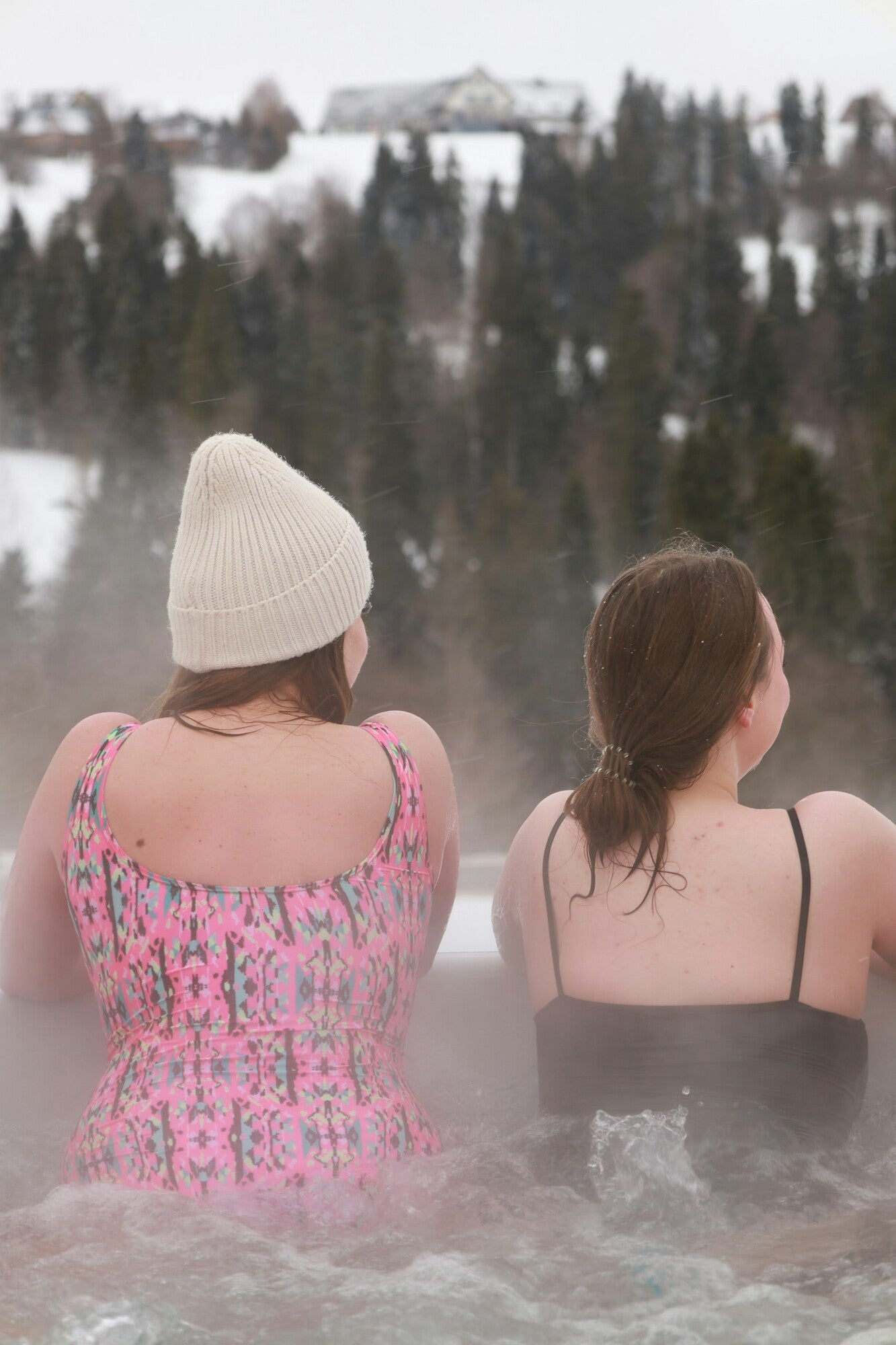
Ask anyone who owns a hot tub when they enjoy it most and the answer is rarely a hot July afternoon. It is a cold, clear night in winter, with steam rising off the water and the stars out, or a grey drizzly evening when the warmth feels like a small luxury. The trouble is that those are also the nights when getting to an uncovered tub at the end of the garden feels like an expedition.
Putting a hot tub under cover changes that. A roof keeps the rain off you and the lid, a side or two keeps the wind away, and a short dry route from the back door means you can go from sofa to warm water in about a minute. Tubs that sit under a roof simply get used more.
Why Warm Water Feels So Good
There is a reason soaking in hot water has been part of so many cultures for so long, from Japanese onsen to Roman baths to the outdoor pools of Iceland. Warm water relaxes tight muscles, takes the weight off joints and encourages the body to slow down. Many people find that a soak in the evening helps them sleep, partly because of the relaxation and partly because of what happens afterwards: as you get out and cool down, the drop in body temperature mirrors the natural dip that comes before sleep.
Doing it outdoors adds something more. Cold air on your face, warm water up to your shoulders, the sounds of the garden at night. It is a simple contrast, and it is remarkably good at pulling you out of your head and into the moment. And unlike a run or a gym session, it requires no willpower at all.

Planning the Structure
The first thing to consider is size. A hot tub needs room around it for steps, for the lid to lift and fold back, and for people to get in and out without squeezing past a post. The lid is the one most people forget. Many lids fold and lift up on a hinge or a lifter arm, and they need clearance above as well as space at the side. Check the dimensions of the open lid and plan the roof height and post positions around them.
The second is the roof itself. Over a hot tub, a solid or opal roof tends to work better than clear glass, because it gives a little more privacy from upstairs windows next door and keeps the midday sun off the cover in summer. If you want the stars, a louvred roof that opens is a lovely option: closed for rain, open on a clear night.
The third is ventilation. Hot water produces a lot of moisture, especially in cold weather. A space with a roof and one or two closed sides is fine. A fully glazed room with a hot tub in it needs some way of letting the steam out, or you will be wiping condensation off the glass every morning. Leaving one side open, or using louvred sides that breathe, avoids most of the problem.
The Ground Underneath
A filled hot tub is extremely heavy, often well over a tonne once there are people in it. It needs a solid, level base designed for that load, usually a reinforced concrete slab. The veranda posts need their own proper foundations as well, and the two should be planned together so the tub is in the right place relative to the posts and the gutter.
Drainage matters too. Hot tubs get emptied a few times a year and splash a fair bit in between, so the base should fall gently towards a drain or soakaway, and the gutter's downpipe should not discharge right next to the steps.
Power, Light and Warmth
Most electric hot tubs need a dedicated supply, installed by an electrician, with an isolation switch nearby. Plan the cable route before the patio and veranda go in. While you are at it, think about lighting: low, warm light around the steps and the edge of the tub, rather than bright floodlights, keeps the space relaxing and lets you see the sky. An infrared heater over the area where people sit after getting out is a small luxury that makes a big difference in winter.
Contrast and Cold Water
Some people go a step further and add a cold plunge alongside the hot tub, alternating between hot and cold. It is an old idea, common in Nordic countries, and a lot of people find it invigorating. If you are interested, start gently, keep the cold dips short and listen to your body. Anyone with a heart condition, high blood pressure or other health concerns should check with a doctor before trying cold-water immersion.
A Space You Will Actually Use
The best hot tub setups are the ones that remove every excuse. A roof so the rain does not matter. A side wall so the wind does not matter. A towel hook and a dry bench under cover. Steps right outside the back door. Get those right and the tub stops being something you use at weekends in summer and becomes part of an ordinary winter evening.

Quick Answers
Can a hot tub go under a polycarbonate roof? Yes, as long as there is good ventilation for the steam.
How much headroom do I need? Enough for people to stand in the tub, and for the lid to open fully. Check the open-lid height for your model.
Should the sides be closed? One or two sides for shelter works well. Fully enclosing a hot tub needs good ventilation.
What about a wood-fired hot tub? Wood-fired tubs need to be outside any roof, or under a structure designed for a chimney, with proper clearances. They are best placed in the open nearby.
Want a sheltered spot to enjoy more of this?
Book a free virtual appointment and we'll talk through a covered space that suits your garden and the way you use it — no pressure, just straight advice.


