


Why a Walk Outside Does More Than a Walk on a Treadmill
There is a reason so many people say a walk clears their head. It is not just the exercise. A walk on a treadmill and a walk through a wood both raise your heart rate and burn similar calories, but they do not feel the same, and researchers have spent a fair amount of time trying to understand why.
They even have a name for it: green exercise, meaning physical activity done in natural surroundings.
What the Research Suggests
Studies of green exercise have found that being active outdoors, in parks, woods, the countryside or by water, tends to improve mood and self-esteem more than the same activity indoors. Some of the benefit appears very quickly, within the first five minutes.
Part of the explanation is the setting. Natural environments seem to hold our attention in a gentle, effortless way, which gives the parts of the brain used for focused concentration a rest. This is sometimes called attention restoration. Part of it is daylight, which is far brighter outdoors than in any gym. Part of it is fresh air and the variety of sounds, smells and sights. And part of it is that people simply tend to enjoy outdoor exercise more, which makes them more likely to keep doing it.
The Walk Itself
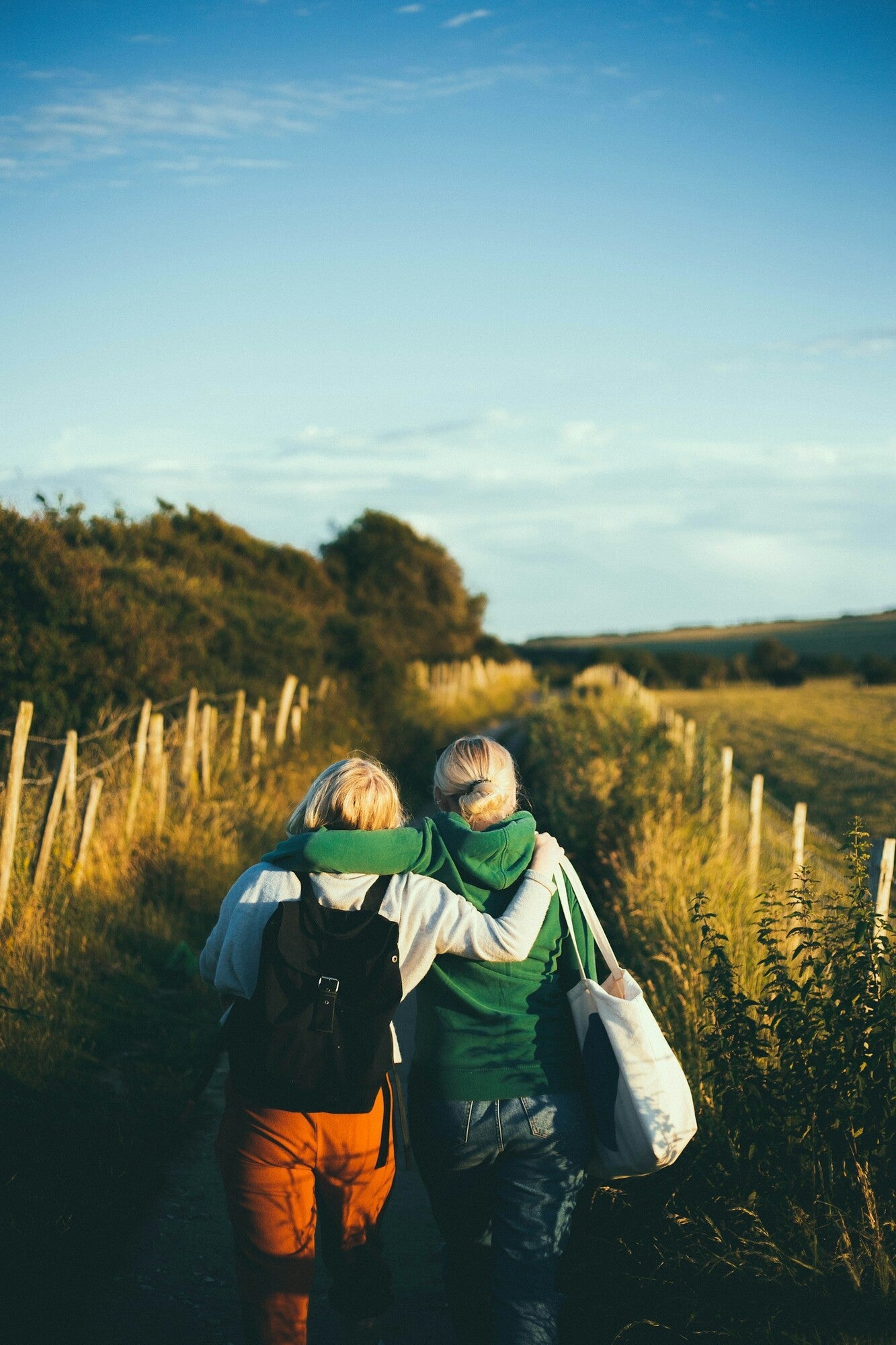
Walking is the simplest form of green exercise, and one of the best. It needs no equipment, it is gentle on the joints and it can be fitted around almost any day.
For general health, the NHS recommends adults aim for at least 150 minutes of moderate activity a week, such as brisk walking. That works out at a little over twenty minutes a day. Done outdoors, among trees or open fields, those twenty minutes do double duty: good for the body and good for the mind.
Walking With Someone
Walking side by side is one of the easiest ways to have a good conversation. There is no pressure of eye contact, the scenery gives you something to talk about and silences feel comfortable rather than awkward. Many people find they talk more openly on a walk than across a table.
A regular walk with a partner, a friend or the family is a lovely habit, and a good way to keep each other going on the days when motivation is low.
Making It Easier
The hardest part of any walk is the first step out of the door. A few things help.
Keep it close. You do not need a beauty spot. A loop round the local park, along a canal or through nearby fields is plenty.
Dress for the weather. Waterproof coat, good shoes, a hat in winter. Keep them by the door.
Make it a habit. Same time each day, linked to something else: after breakfast, at lunchtime, after work.
Have somewhere to come back to. A warm, dry spot at home to take your boots off, have a hot drink and sit for a minute afterwards makes the whole thing more appealing, especially in winter. A covered space by the back door is perfect for this.
Green Exercise in the Garden
Not every outdoor activity has to be a walk. Gardening is a wonderful form of green exercise, involving bending, digging, carrying and stretching, with something to show for it at the end. Even ten minutes of weeding or raking leaves counts.
The Takeaway
If you are going to be active anyway, do it outside when you can. It costs nothing extra, it seems to do more for your mood and it gets you some daylight in the process. And if it is raining, remember that a waterproof coat and a warm drink waiting at home make almost any weather manageable.
Walking in Winter
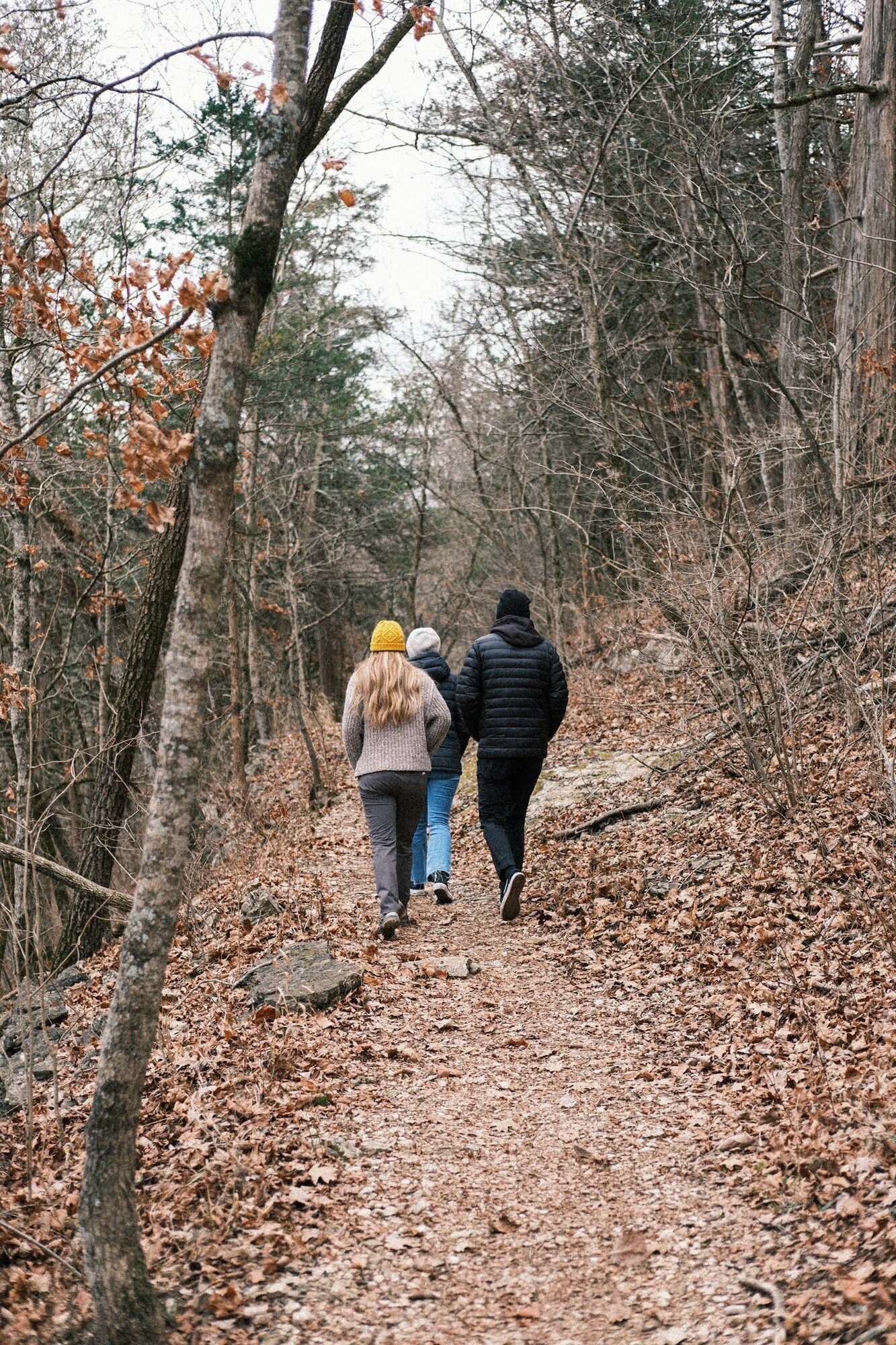
Winter walks have their own rewards: frost on the hedgerows, low gold light, the crunch of leaves or snow underfoot, birds easier to see in bare trees. They are also when daylight is most valuable, so a walk in the late morning or lunchtime, when the sun is highest, is particularly worthwhile.
Dress in layers, wear a hat, choose footwear with good grip and take care on icy paths. Shorter days mean planning around the light, so it helps to know when the sun sets.
Mindful Walking
A walk can be more than exercise. Try spending part of it paying close attention: the feel of each step, the sounds around you, the smells, the changing light. Some people find this kind of mindful walking a gentle way of calming a busy mind.
Quick Answers
How fast should I walk? For health benefits, a brisk pace where you can talk but not sing is a good guide.
Is a short walk worth it? Yes. Even ten minutes outdoors has benefits, and short walks add up over a week.
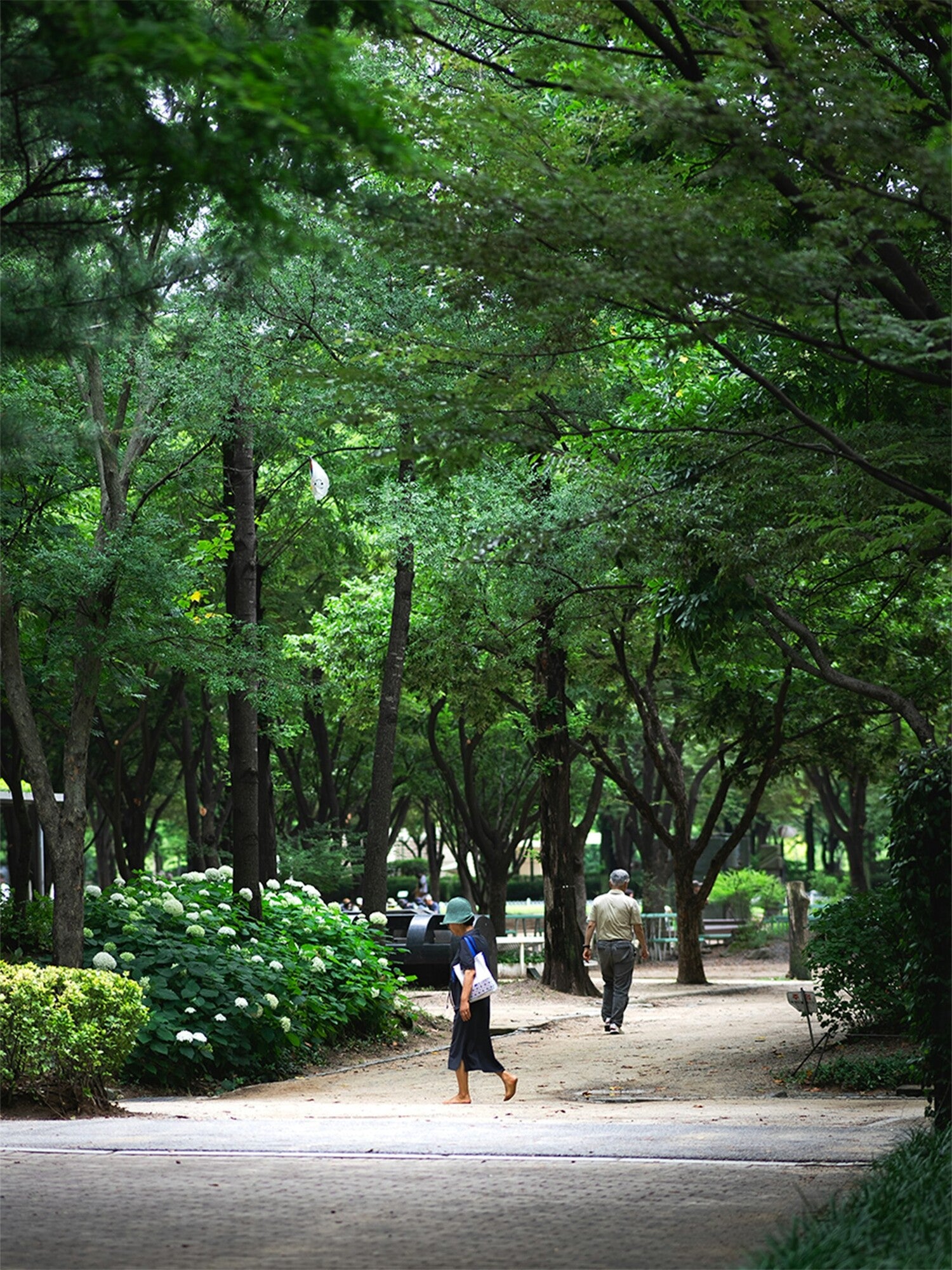
What if I live in a town? Parks, tree-lined streets, canal towpaths and cemeteries are all green spaces. Any greenery seems to help.
Want a sheltered spot to enjoy more of this?
Book a free virtual appointment and we'll talk through a covered space that suits your garden and the way you use it — no pressure, just straight advice.


