


Daylight by Day, Darkness by Night: Sleeping Better the Natural Way
When people struggle with sleep, they usually look at the evening: the late coffee, the screen in bed, the busy mind. All of those matter. But some of the most important things for a good night's sleep happen much earlier in the day, and many of them happen outside.
The Clock Inside
Your body runs on a rhythm of roughly twenty-four hours, known as the circadian rhythm. It governs when you feel alert and when you feel sleepy, along with body temperature, hormones and much else. Left to its own devices, it tends to drift slightly, so it needs resetting every day.
The main thing that resets it is light. Bright light, especially in the morning, tells the brain that the day has begun. Darkness in the evening tells it the day is ending and it is time to release melatonin, the hormone that makes you sleepy. The bigger the contrast between bright days and dark evenings, the stronger and steadier the rhythm.
The trouble is that modern life flattens that contrast. We spend our days indoors under light that is far dimmer than daylight, and our evenings under bright lights and screens. To the body clock, every day looks like a dim, endless afternoon.
Brighter Days
The first half of the fix is getting more bright light during the day, particularly in the morning.
Even on an overcast day, the light outdoors is many times brighter than indoors. Spending some time outside in the first hour or two after waking, ten minutes on a bright day and longer on a dull one, sends a clear morning signal. Further time outside during the day, at lunch or on a walk, strengthens it.
People who get more daylight during the day tend to feel sleepy earlier and sleep more soundly. It is one of the simplest, most reliable things you can do for your sleep, and it is free.
Darker Evenings
The second half is reducing light in the evening, especially the bright, blue-rich kind from overhead lights and screens.
Dim the lights. In the hour or two before bed, use lamps rather than ceiling lights, and warm-coloured bulbs rather than cool white.
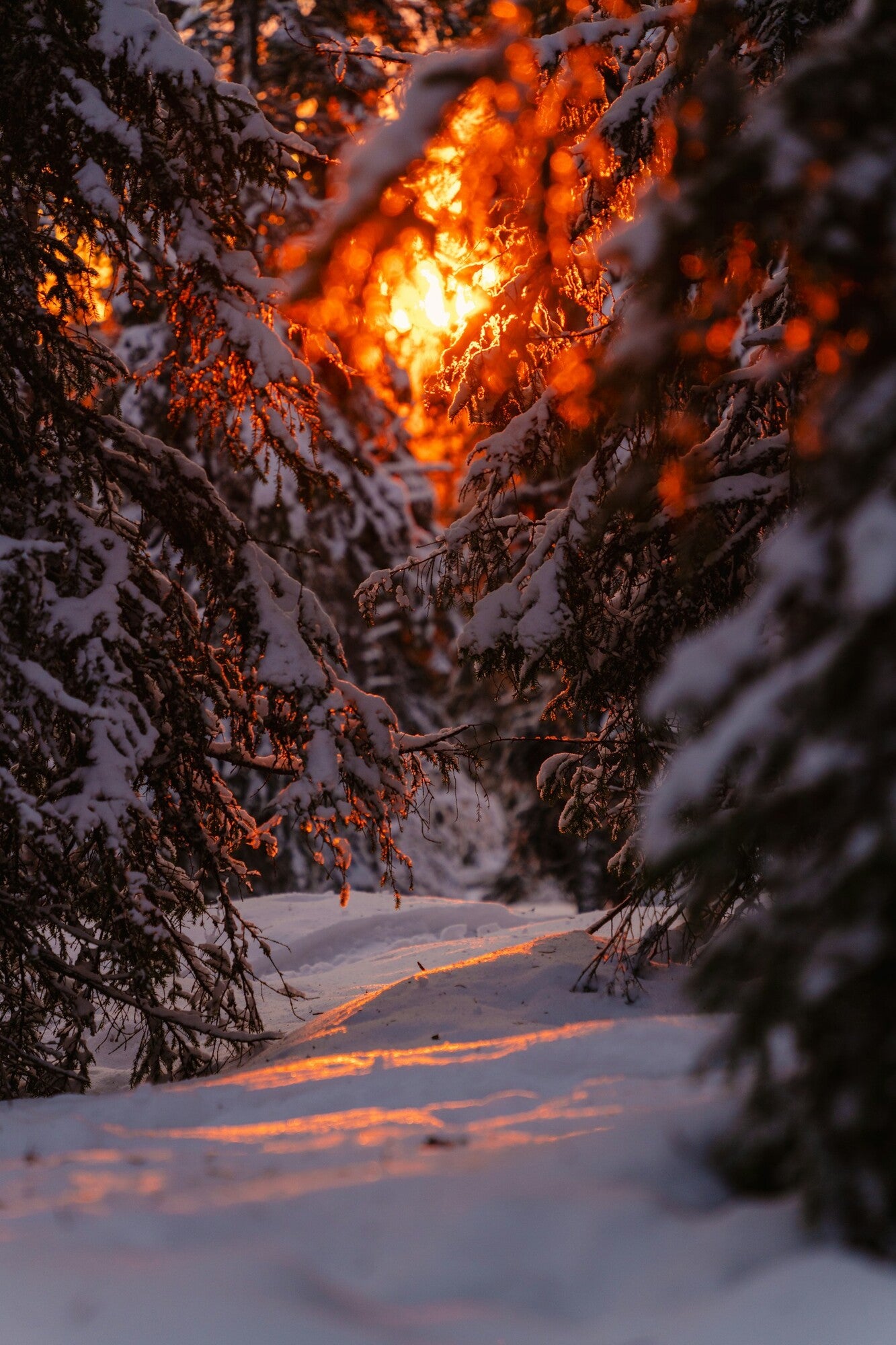
Watch the sunset. Stepping outside at dusk and watching the light fade is a natural cue for the body to begin winding down.
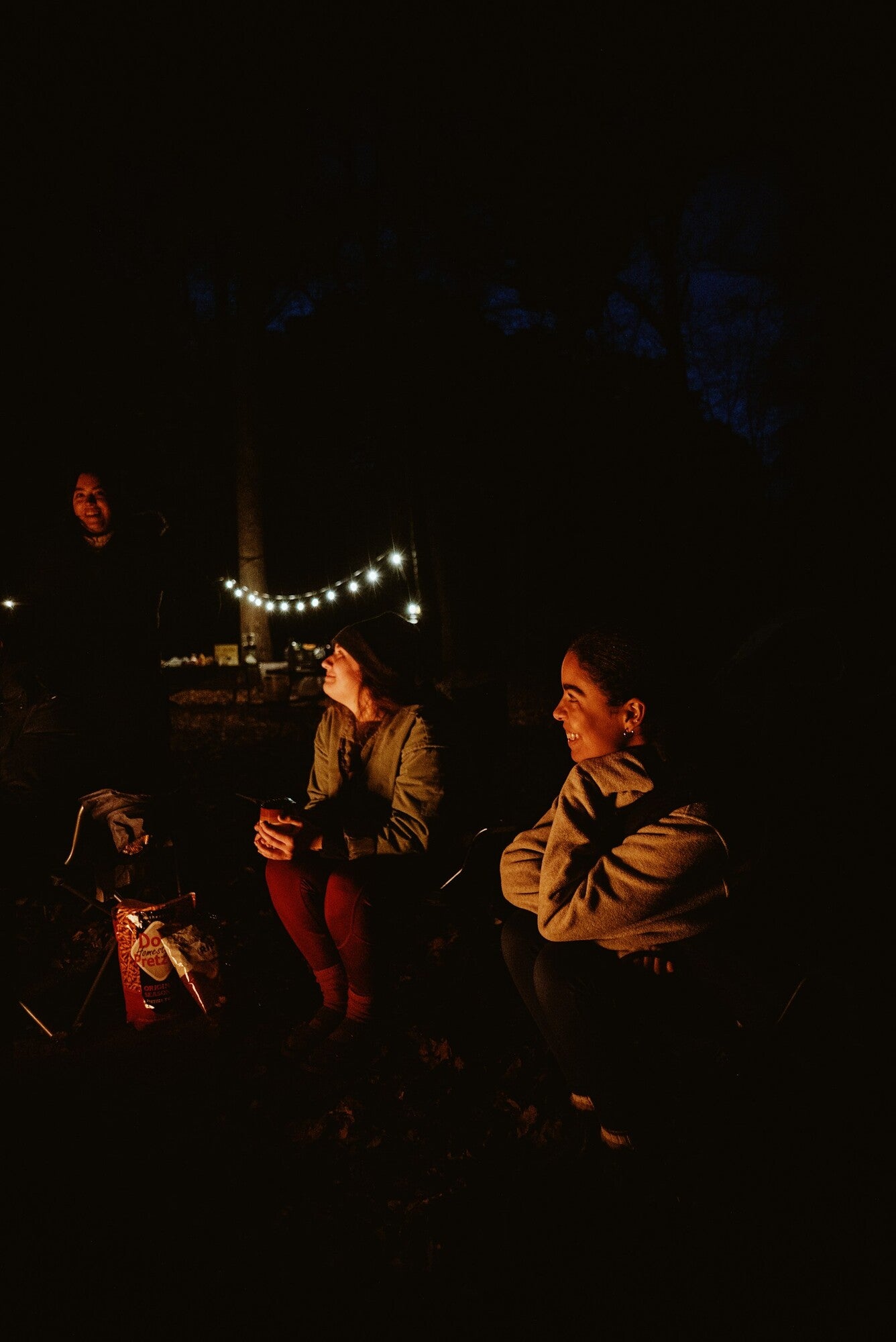
Sit by a warm light. Firelight, candlelight or warm, dim outdoor lighting has far less of a wake-up effect than bright white light.
Put the phone down. Screens are bright, close to your eyes and endlessly stimulating. Leaving them in another room for the last part of the evening helps more than any app.
Movement and Fresh Air
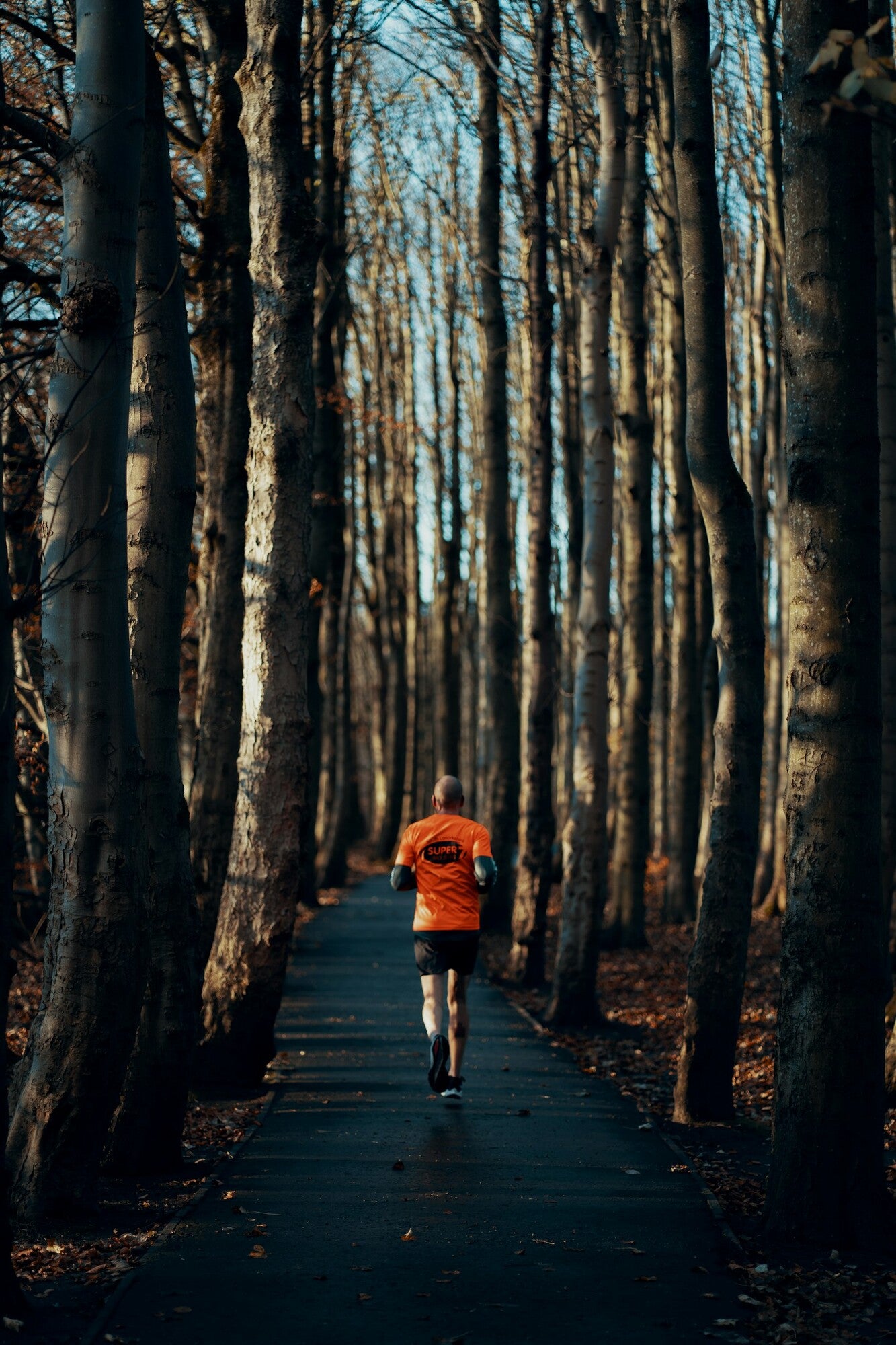
Physical activity during the day, especially outdoors, also helps sleep. People who are active tend to fall asleep more easily and sleep more deeply. A walk outside combines activity with daylight, which makes it doubly useful, though very vigorous exercise late in the evening can make it harder for some people to settle.
Cooling Down
Your body temperature naturally drops in the evening as sleep approaches. Some people find that a warm bath, a hot tub or a sauna an hour or two before bed helps them sleep, partly because of the relaxation and partly because of the cooling that follows. Sitting outside in the cool evening air afterwards, wrapped in a towel, can be a lovely way to wind down.
Putting It Together
A day built for good sleep might look like this: coffee outside in the morning light, a walk at lunch, some time in the garden after work, dimmer lights and no screens in the evening, perhaps a few minutes outside at dusk. None of it is complicated, and all of it can be done at home.
If sleep problems persist, it is worth talking to your GP. But for many people, simply getting more daylight and more darkness at the right times makes a noticeable difference within a week or two.
Weekends and Lie-Ins
Many people sleep in at weekends to catch up. A little extra sleep can help, but a big shift in wake-up time, sometimes called social jet lag, can make Monday mornings harder by shifting the body clock later. Getting outside in the morning light even at the weekend helps keep the rhythm steady.
Naps
A short nap, up to about 20 minutes, early in the afternoon can be refreshing. Longer naps, or naps late in the day, can make it harder to fall asleep at night.
Bedroom Basics
Alongside daylight and darkness, a few bedroom basics help: a cool, dark, quiet room, a comfortable bed and a regular bedtime. Blackout curtains are useful in summer, when it gets light very early.
Quick Answers
How much sleep do adults need? Most adults need around seven to nine hours a night, though it varies between people.
Does a cloudy day still count for morning light? Yes. Even overcast daylight is much brighter than indoor light.
Should I avoid all light in the evening? No. Just keep it dimmer and warmer, and avoid bright screens close to bedtime.
When should I see a doctor? If poor sleep is affecting your daily life for more than a few weeks, or you snore heavily or stop breathing in your sleep, speak to your GP.
Want a sheltered spot to enjoy more of this?
Book a free virtual appointment and we'll talk through a covered space that suits your garden and the way you use it — no pressure, just straight advice.


