


Five Senses, and Why the Garden Wakes Them All Up
Think about a typical day indoors. Most of what you take in comes through your eyes, often from a screen. The sounds are the hum of appliances and traffic. The air smells of very little. Your hands touch keyboards, phones and door handles. It is a narrow, rather muted sensory diet.
Step into a garden and everything opens up. There is the smell of cut grass or wet earth, birdsong and wind in the leaves, the feel of bark, soil and cool air, the taste of a tomato straight off the plant, and colours and movement everywhere. That richness is a large part of why time outside feels so restorative.
Sight: Soft Fascination
Natural scenes hold our attention in a gentle, effortless way. Clouds drifting, leaves moving, water rippling. Psychologists call this soft fascination, and it seems to give the parts of the brain used for focused work a chance to rest and recover. It is quite different from the hard, demanding attention a screen requires.
The colour green in particular is widely associated with calm, and simply looking at greenery, even through a window, has been linked to lower stress.
Try: sit for five minutes and watch one thing, a tree, the sky, a bird at the feeder, without looking at your phone.

Sound: Nature's Background
Birdsong, rustling leaves, rain on a roof, running water. Natural sounds tend to be varied but unthreatening, and many people find them deeply relaxing. Some studies suggest that listening to natural sounds can help people recover from stress more quickly than listening to urban noise.
Try: close your eyes for a minute and count how many different sounds you can hear.
Smell: The Most Direct Sense
Smell is wired closely to memory and emotion. The scent of a particular flower can transport you instantly to a childhood garden. Gardens are full of scent: lavender, rosemary, honeysuckle, roses, the earthy smell of rain on dry ground, which has its own name, petrichor.
Try: plant something fragrant near where you sit. Brush past it as you go by.
Touch: Getting Your Hands Dirty
Gardening is a deeply tactile activity: crumbling soil, pulling weeds, the rough and smooth of leaves and bark. Many people find working with their hands in the garden absorbing and calming, a way of being completely in the present.
Try: do something with your hands outside. Pot up a plant, rake some leaves, take your shoes off and feel the grass.
Taste: The Garden on a Plate
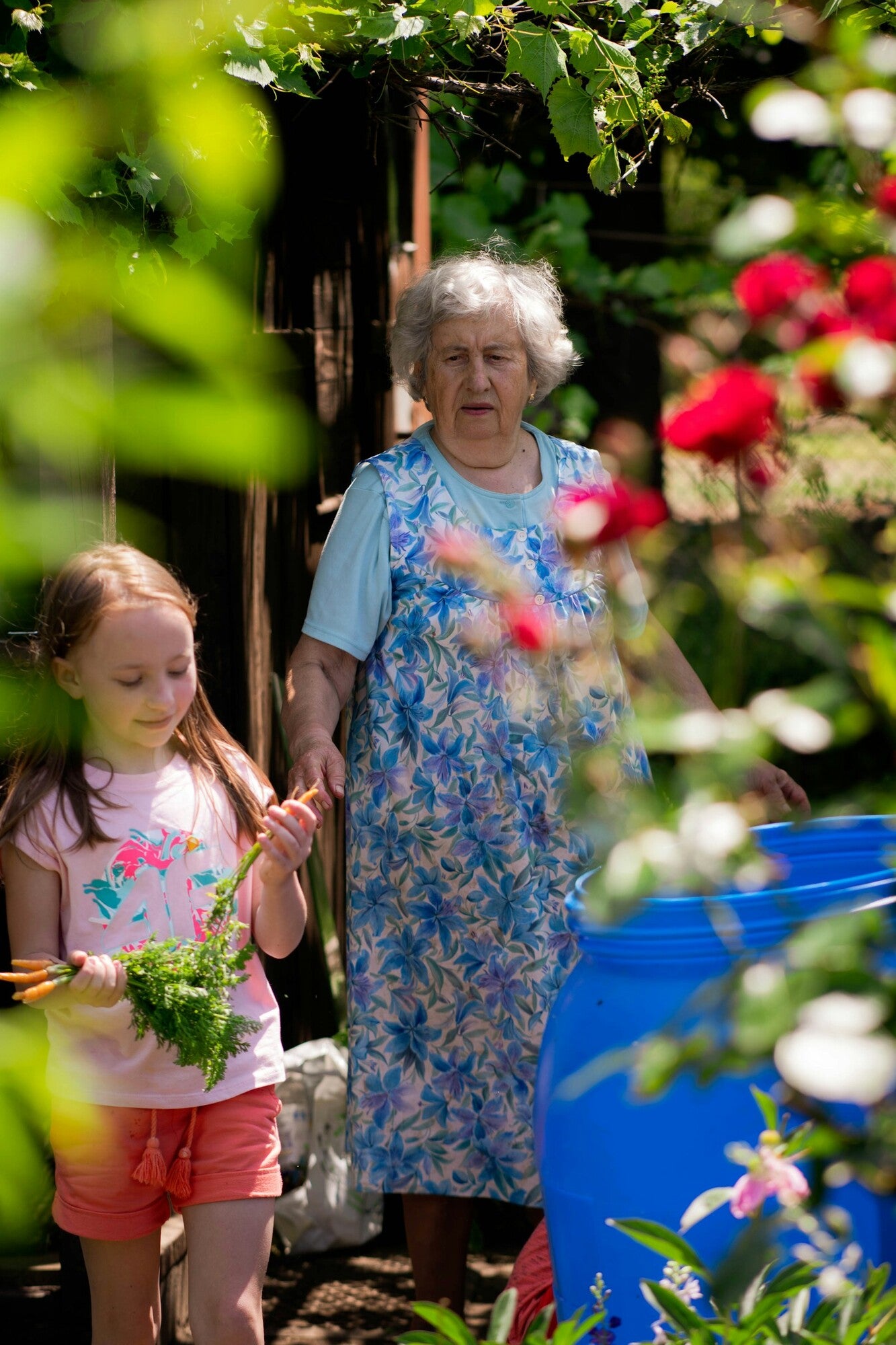
Food grown at home tastes different, partly because it is fresh and partly because you grew it. Even a few pots of herbs by the back door, or a strawberry plant, brings taste into the garden.
Try: grow one thing you can eat. Herbs are the easiest.
Making Room for the Senses
A covered space makes it easier to enjoy all of this more often. You can sit out in the rain and listen to it. You can eat outside more often. You can leave a book and a blanket out and stay longer. And when the sides are open, all the smells and sounds of the garden come right in.
The garden is one of the few places where all five senses are engaged at once, gently and without effort. It is a good antidote to the narrowness of indoor life, and it is right outside the back door.
Designing a Garden for the Senses
If you are planning or replanting a space near where you sit, it is worth thinking about each sense deliberately.
For scent, plant aromatic herbs like rosemary, thyme and lavender near paths and seating, where you will brush past them. Night-scented plants such as jasmine, nicotiana and honeysuckle come into their own on summer evenings.
For sound, grasses that rustle in the breeze, a small water feature and plants that attract bees and birds all add a gentle soundtrack. Even the sound of rain on a roof becomes part of the garden's character.
For touch, include plants with interesting textures: soft lamb's ear, feathery grasses, smooth bark. A patch of lawn you can walk on barefoot.
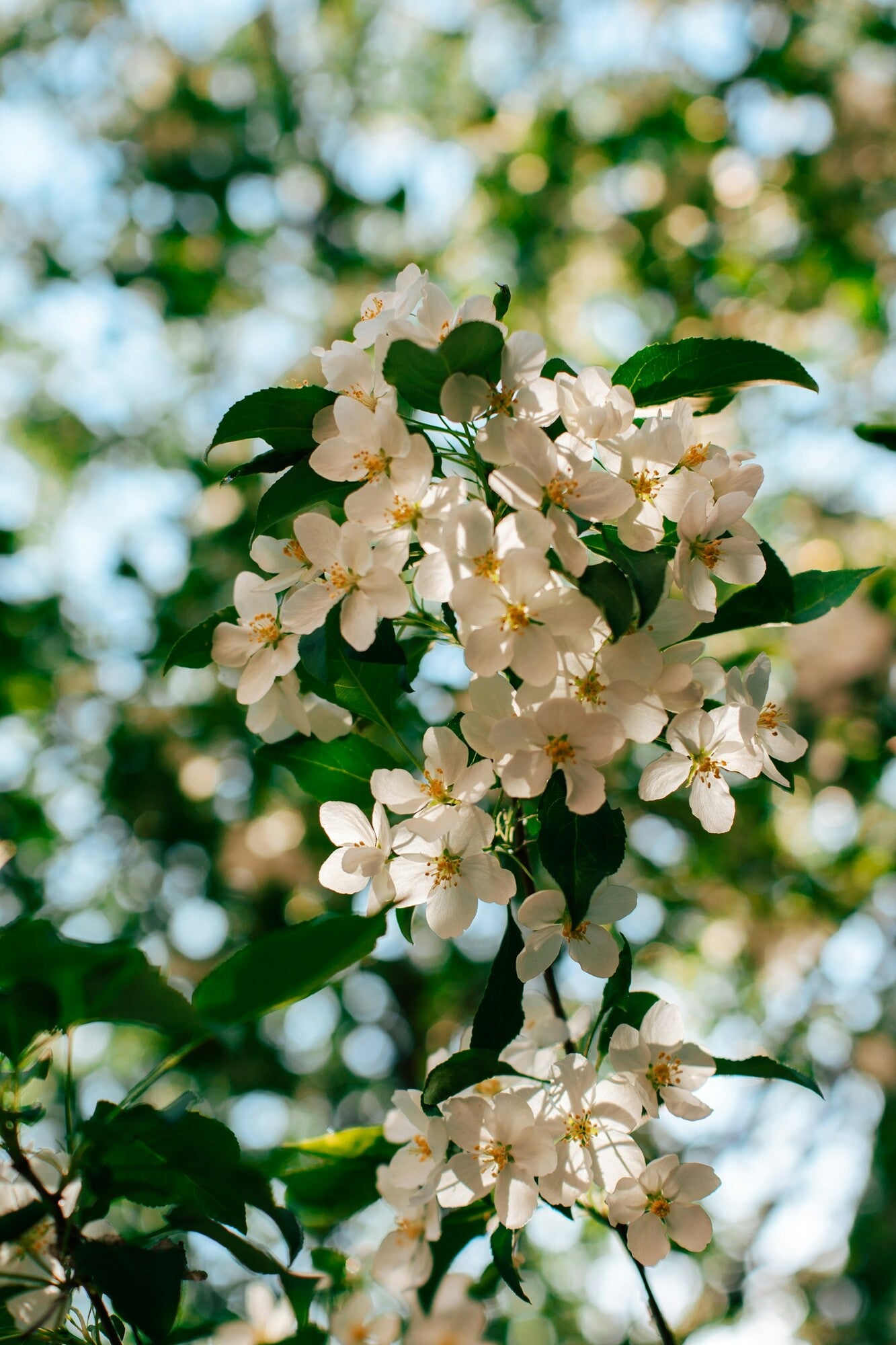
For sight, think about movement and change through the year: blossom in spring, colour in summer, leaves in autumn, structure and berries in winter.
For taste, a few pots of herbs, a strawberry planter or a small fruit tree.
The Benefit of Paying Attention
What all of this has in common is that it invites you to notice. Much of the benefit of time in nature seems to come from attention: really looking, listening and smelling, rather than passing through on the way to somewhere else. A garden designed for the senses makes that easy, because there is always something to notice.
Quick Answers
Do I need a big garden for this? Not at all. A few pots by the back door can engage every sense.
What if I am not a gardener? Start with one thing, such as a pot of lavender by your seat. Low-maintenance plants and a bird feeder go a long way.
Can I do this in winter? Yes. Winter has its own sensory pleasures: frost underfoot, woodsmoke in the air, robin song, the smell of rain on cold ground.
Want a sheltered spot to enjoy more of this?
Book a free virtual appointment and we'll talk through a covered space that suits your garden and the way you use it — no pressure, just straight advice.


