


Ten Minutes of Morning Light: The Cheapest Health Habit There Is
Most of the things we are told to do for our health need equipment, a subscription or a fair amount of willpower. Getting outside in the first hour after you wake up needs a coat. It is free, it takes ten minutes, and the evidence for it is better than for most of what is sold in the wellness aisle.
The reason is simple. Your body runs on a clock of roughly twenty-four hours, and that clock does not set itself. It needs a signal every day to tell it when morning is, and the strongest signal it gets is bright light reaching the back of your eyes early in the day. Get that signal and the rest of the day tends to fall into place: you feel more awake in the morning, more even through the afternoon, and properly tired at a sensible hour. Miss it, and the clock drifts.
Why Morning Light Does What Coffee Can't
The back of your eye contains a small set of cells whose job is not to help you see, but to measure how bright it is. They report straight to the part of the brain that keeps time. When they register strong light in the morning, the brain winds down melatonin, the hormone that makes you sleepy, and starts the clock that will bring it back many hours later.
That second half is the part people miss. Morning light is not only about feeling alert at eight o'clock. It also helps schedule your tiredness at ten o'clock that night. People who get little daylight early on often find their sleep drifting later and later, and then wonder why they cannot get to sleep before midnight.
Light also has a direct effect on mood. It is no accident that low mood in winter tracks the short days so closely, and bright light is one of the first things suggested for people who feel it.
Why the Window Isn't Enough
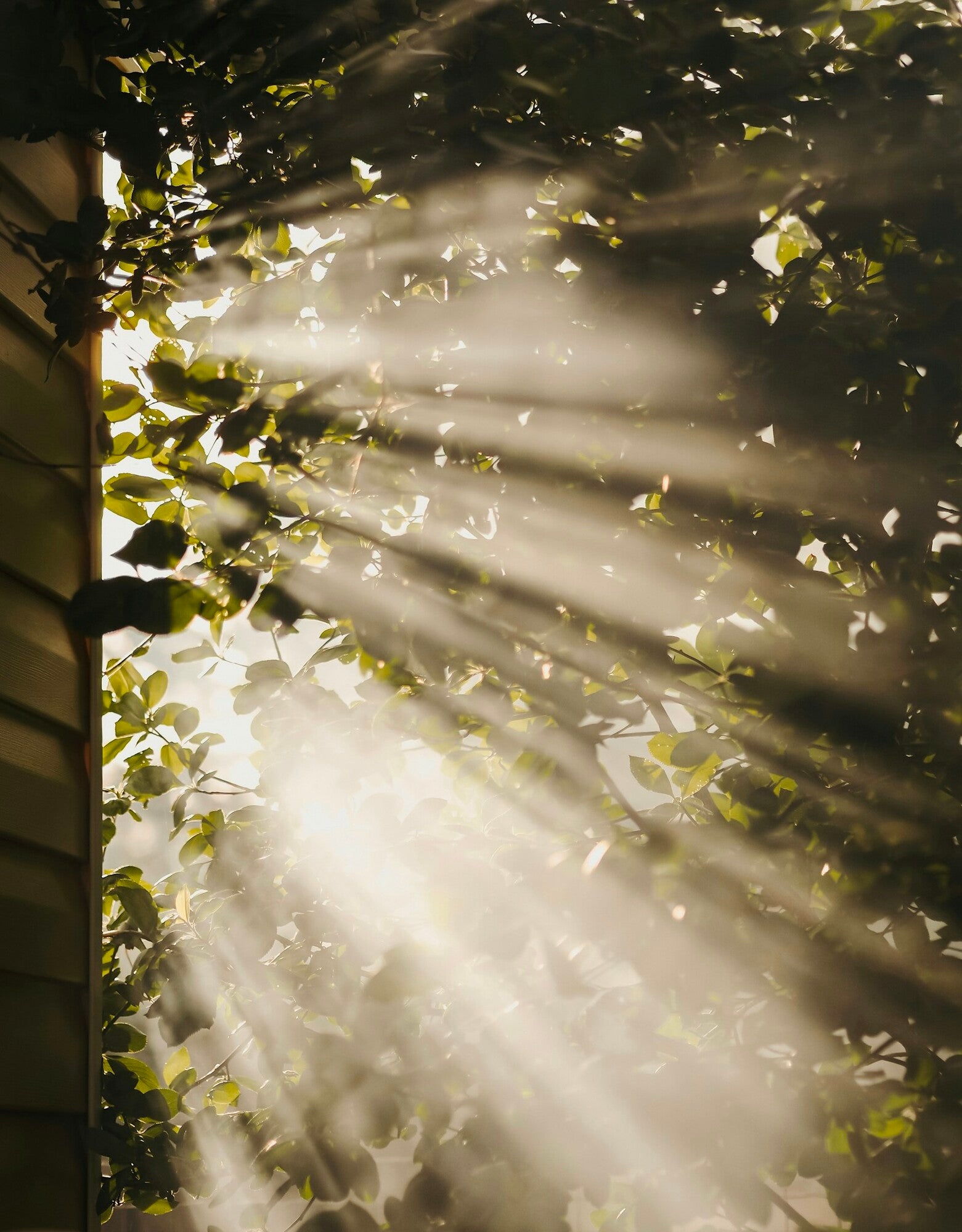
Indoor lighting in a typical British home sits at a few hundred lux, which is the unit of brightness. A bright summer day outside is tens of thousands of lux. Even a heavily overcast November morning is usually several thousand, which is still many times brighter than your kitchen with every light on.
Your eyes are very good at adjusting, so indoors feels perfectly bright. Your body clock is not fooled. Sitting next to a window helps, but glass and walls cut down the amount of light reaching you, and most of the sky is out of view. The difference between standing at the window and standing outside on the patio is much bigger than it feels.
So the grey morning is not an excuse. Ten minutes outside under a dull sky still does more for your body clock than a long time by the window. On a properly dark winter morning, it is worth staying out a little longer.
The Vitamin D Question
Sunlight does a second job, which is making vitamin D in your skin. It is needed for healthy bones and muscles, and it is the reason "get some sun" has been good advice for a long time.
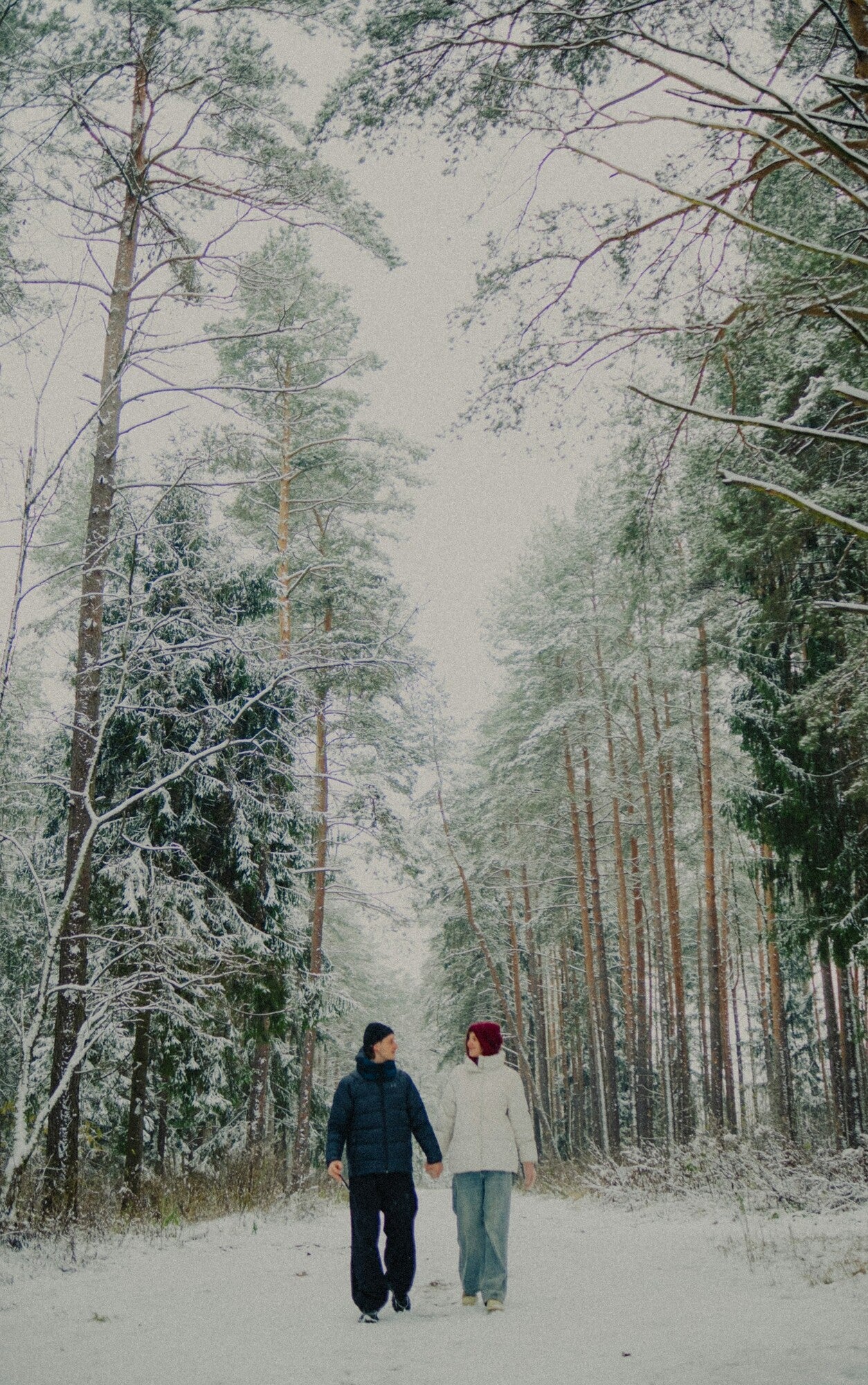
There are two things worth knowing, though. The first is that a different part of sunlight does it. Vitamin D comes from UVB rays, and UVB does not pass through ordinary glass. You can sit in a bright conservatory all day and make none at all. The second is that in the UK, between roughly October and early March, the sun is too low for UVB to reach us in useful amounts, even outside. That is why the NHS advises everyone to consider a daily vitamin D supplement through autumn and winter.
Put those together and the picture becomes clear. Through the winter months, morning light is about your body clock and your mood, and that works perfectly well under cloud or under a veranda roof. From spring onwards, time outside in the open is also how you top up your vitamin D, and a few short spells with your arms and face uncovered is what the guidance suggests, taking care not to burn.
How to Actually Make It a Habit
The trouble with morning light is not knowing about it. It is that nobody wants to stand in the garden in the drizzle at seven o'clock. The habits that stick are the ones attached to something you already do.
Take the first coffee outside. Not a walk, not a routine, just the same cup of coffee you were going to drink anyway, drunk on the patio rather than at the kitchen counter. Ten minutes, and you are done. If you have a dog, the morning walk already covers it, as long as it happens in the first hour and you are not looking at your phone the whole way round.
Face the brightest part of the sky, but never look directly at the sun. You do not need sunglasses on a grey morning, and wearing them takes away a lot of what you came out for. Make it roughly the same time each day if you can, because consistency is what the clock responds to.
And make it easy. A dry seat, a roof over your head and something to keep the wind off are the difference between doing it in January and doing it in June only. Under a veranda roof, you are still outdoors in every sense your body cares about: the light, the air, the temperature, the sound of the garden. You just are not getting rained on.

A Simple Morning
Within the first hour of waking, step outside. Stay for ten minutes on a bright day and twenty to thirty on a very dull one. Leave the phone inside if you can. And keep it going through the dark months, which is exactly when it does the most good.
It will not fix everything. It is not a replacement for sleep, a decent diet or seeing a doctor if your mood has been low for a while. But as habits go, it is hard to beat: no kit, no cost, and a better night's sleep at the end of it.
Want a sheltered spot to enjoy more of this?
Book a free virtual appointment and we'll talk through a covered space that suits your garden and the way you use it — no pressure, just straight advice.


